
Applications
Slot Liners and Insulation Parts for Electric Motor Manufacturing
Complete insulation systems for stators and rotors, matched to lamination stack, winding process and required thermal class. From prototype to volume production.
Which insulation parts an electric motor needs
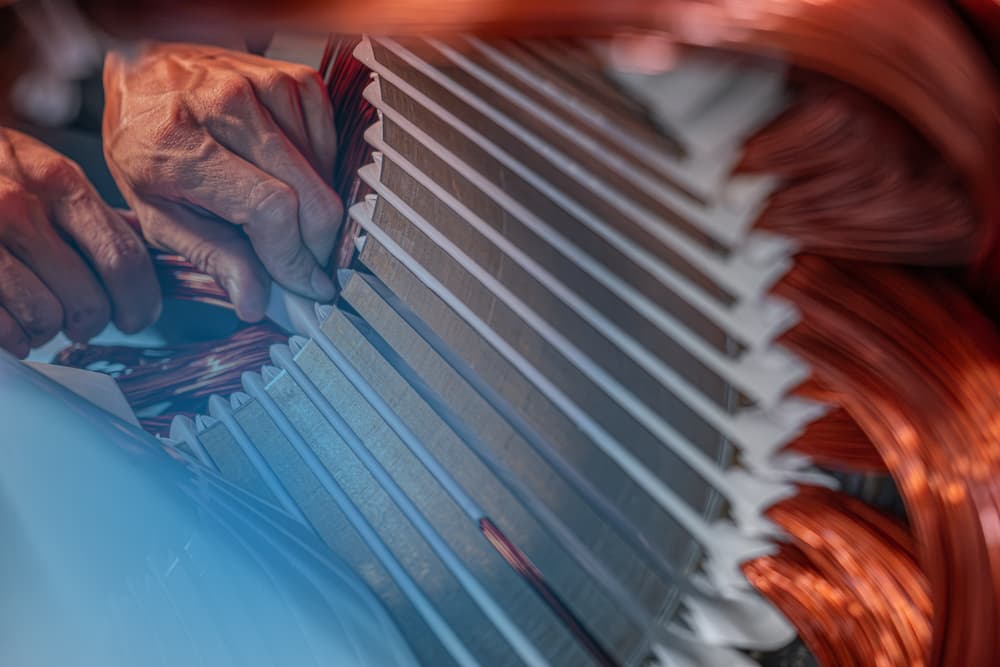
A motor needs a barrier between copper and iron in several places. In the stator slot the slot liner lines the lamination stack precisely and prevents breakdown to the earthed stack. The slot closure closes the slot after winding and holds the winding permanently in place. At the winding head the phase separator insulates the winding phases from each other, and in the rotor the armature insulation does the same job. Separately excited machines add field coil insulation.
We supply these parts individually or as a matched set. If you are converting a complete series, we make every position to your drawings from a single source, so dimensions and materials match across the whole set.
Thermal class and fill factor determine the material
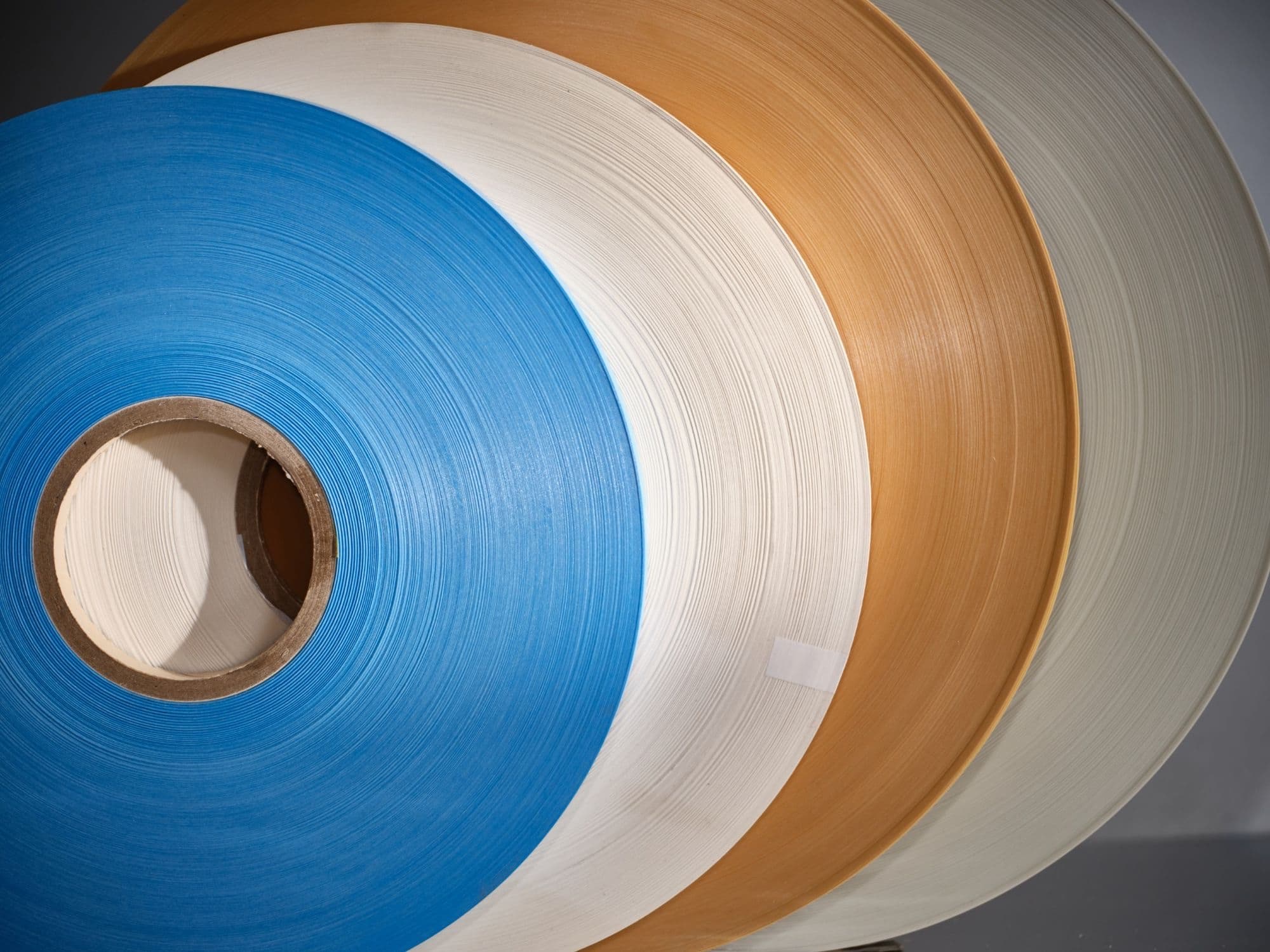
The required thermal class to DIN EN 60085 defines which materials qualify. For classes B and F, NPN laminate and DMD laminate are the common choices, for class H Nomex 410 aramid paper, and for the highest thermal demands NKN laminate or Kapton polyimide film.
The second variable is thickness. Thinner insulation leaves more room for the winding and raises the fill factor, which means more power in the same envelope. Where exactly the limit sits depends on test voltage, slot geometry and winding process. We make that trade-off together with your design team instead of shortcutting it with a standard thickness.
Manufacturing at Hauler & Hermann
Stamping runs on eccentric presses in Filderstadt with tools from our own tool shop. We use steel rule dies for samples and small series, and self made solid steel tools for tight tolerances and volume production. We build and control our slot closure and slot liner machines ourselves, which is why new profiles are implemented within a few weeks.
On request we 3D print your slot geometry and check the fit on a physical model before any tool is cut. Prototypes are available from a quantity of one. Production is certified to DIN EN ISO 9001 and DIN EN ISO 14001.
What buyers and designers should watch for
Decide early whether parts are inserted by hand or automatically. For automated lines we deliver magazined in the correct orientation or on rolls, which removes a full assembly step. Bring up the impregnation process just as early: materials with an absorbent surface take up more varnish, which improves anchoring and heat dissipation.
For special motors in small quantities the tooling strategy drives unit cost. We tell you before you order which tool type pays off for your geometry and lot size.
Do you have an application in mind?
Describe your installation situation and we will check feasibility.
Matching Products
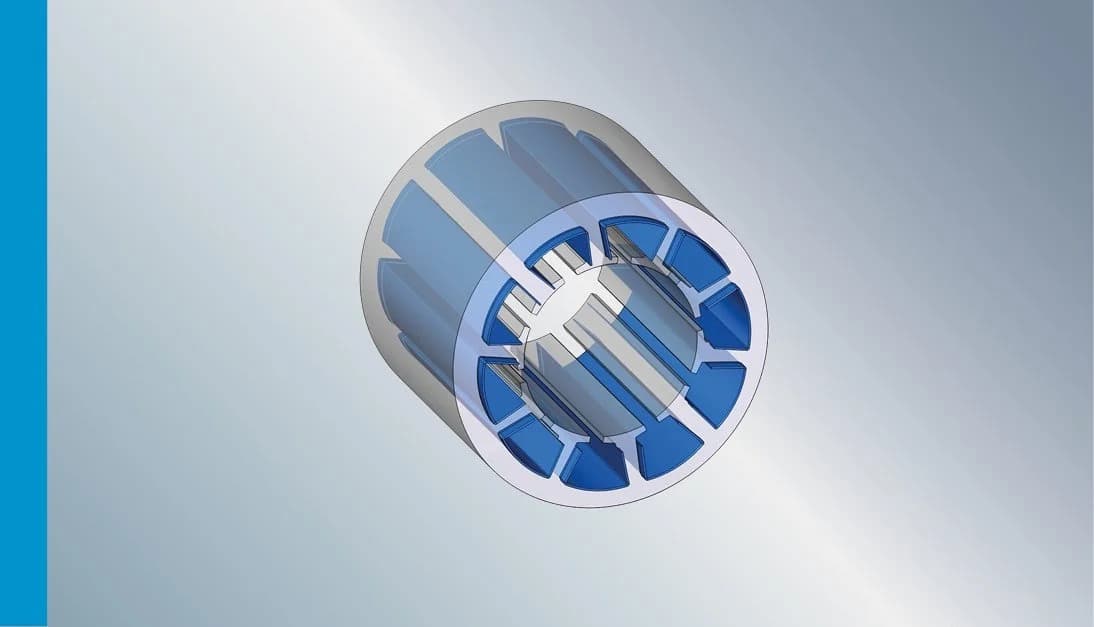
Slot Liners for Electric Motor Stators
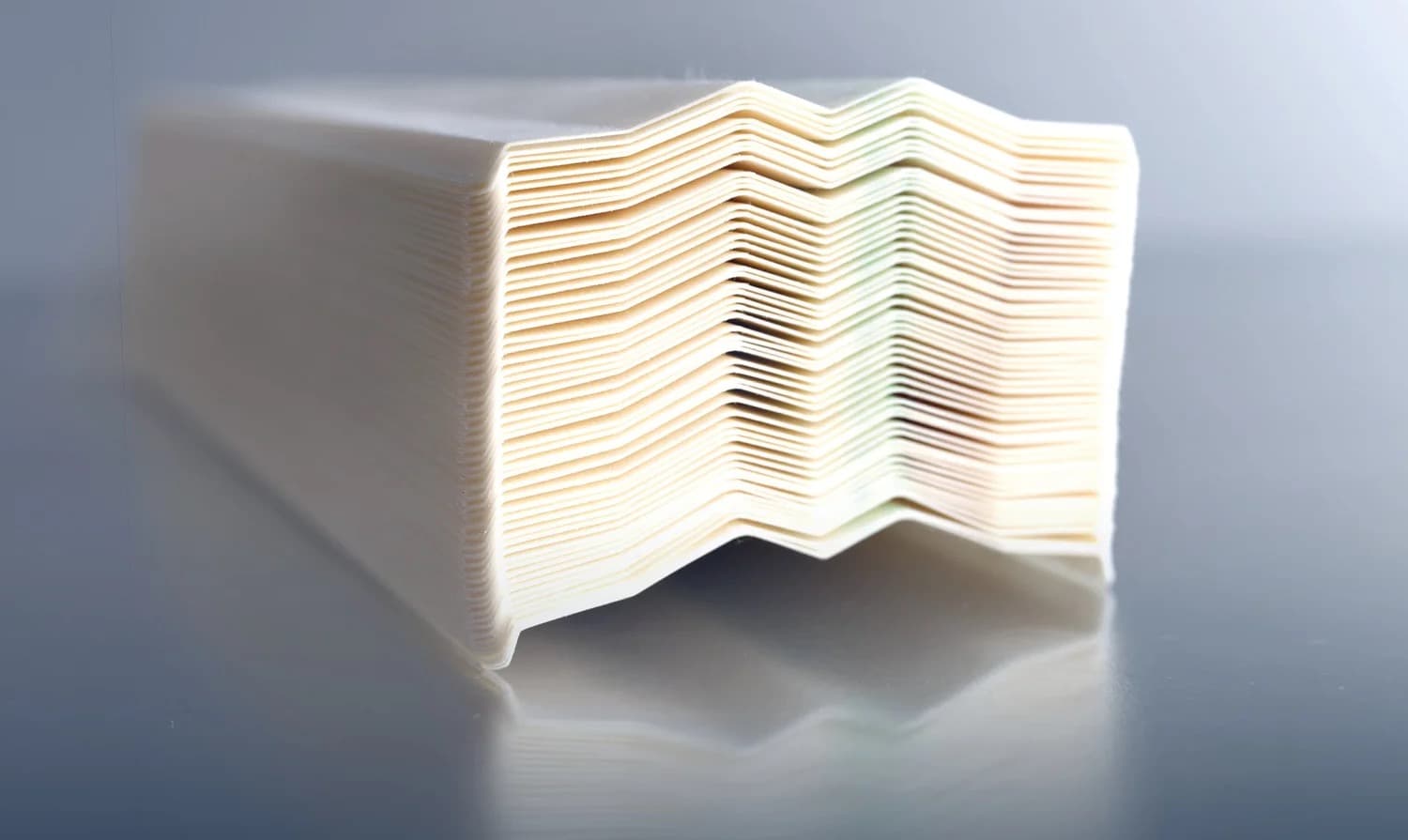
Slot liners separate the winding from the core and prevent flashovers in the stator slot.
Learn more →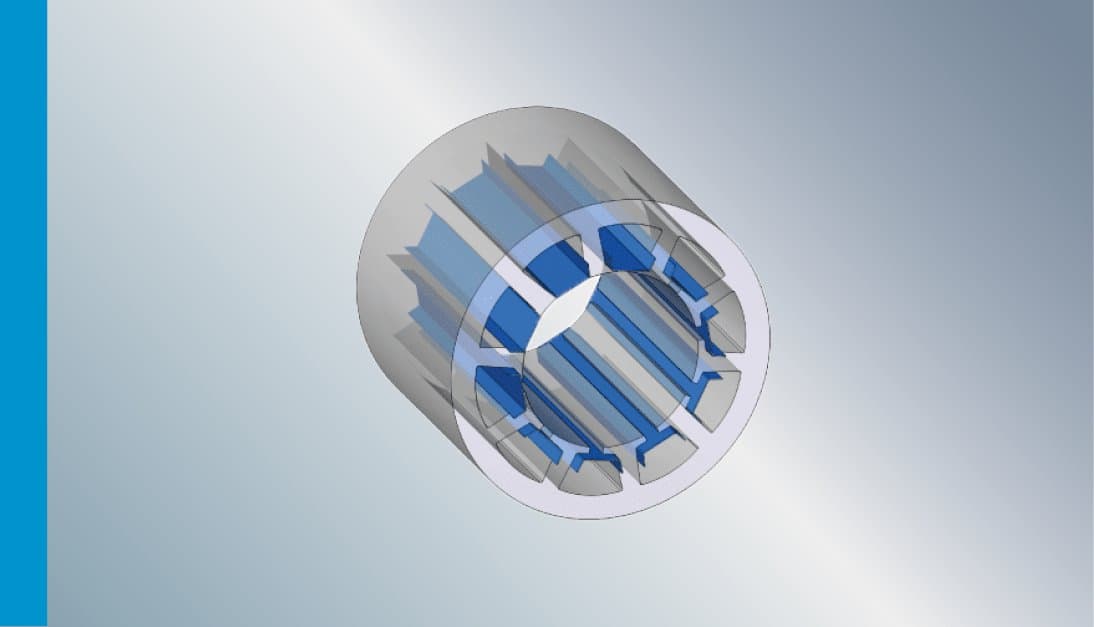
Slot Closures (Folded Slot Wedges)
Slot closures close the slots in rotor or stator after winding and are also called slot caps.
Learn more →
Phase Separators
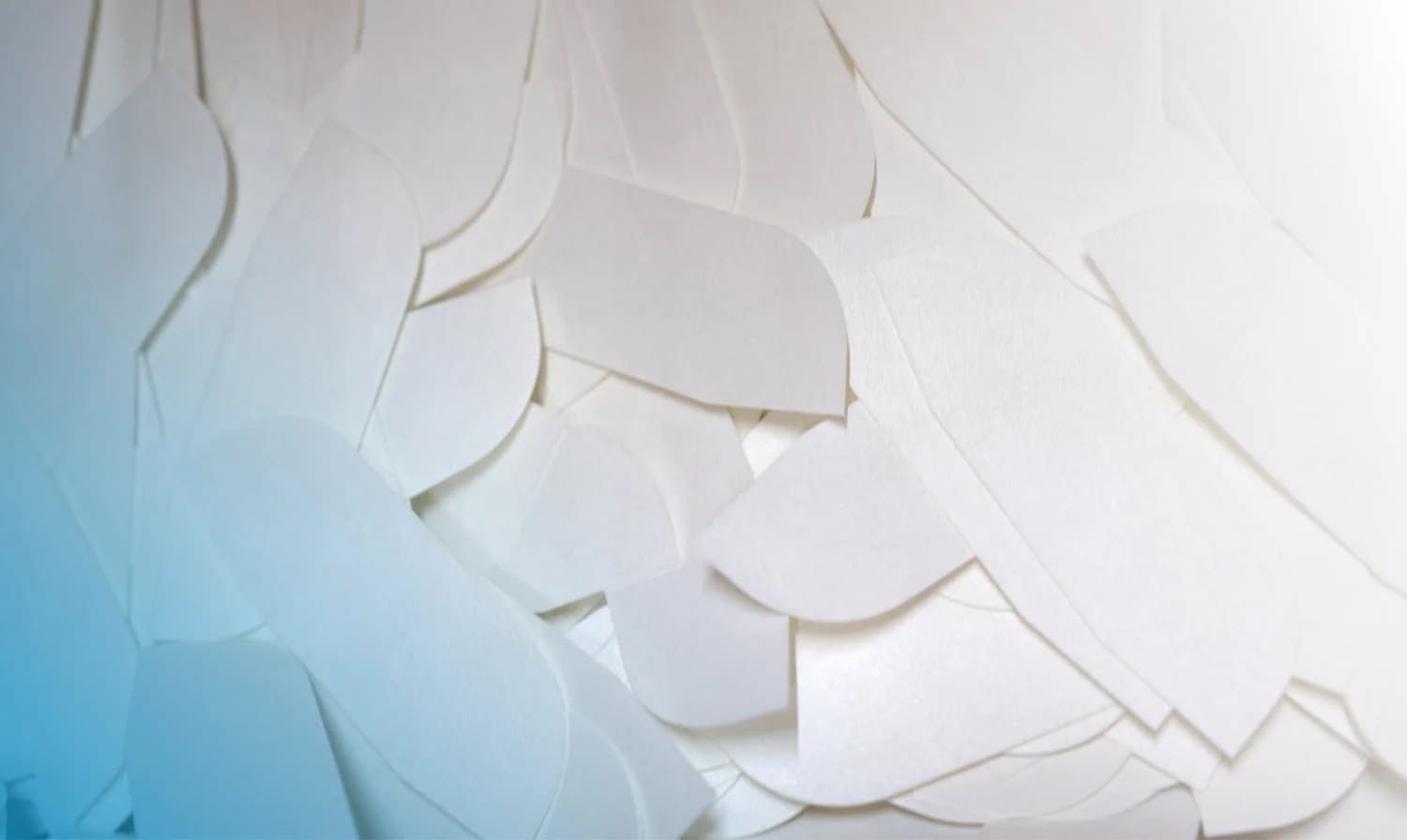
Phase separators are stamped from flexible insulation and usually have rounded outer geometries.
Learn more →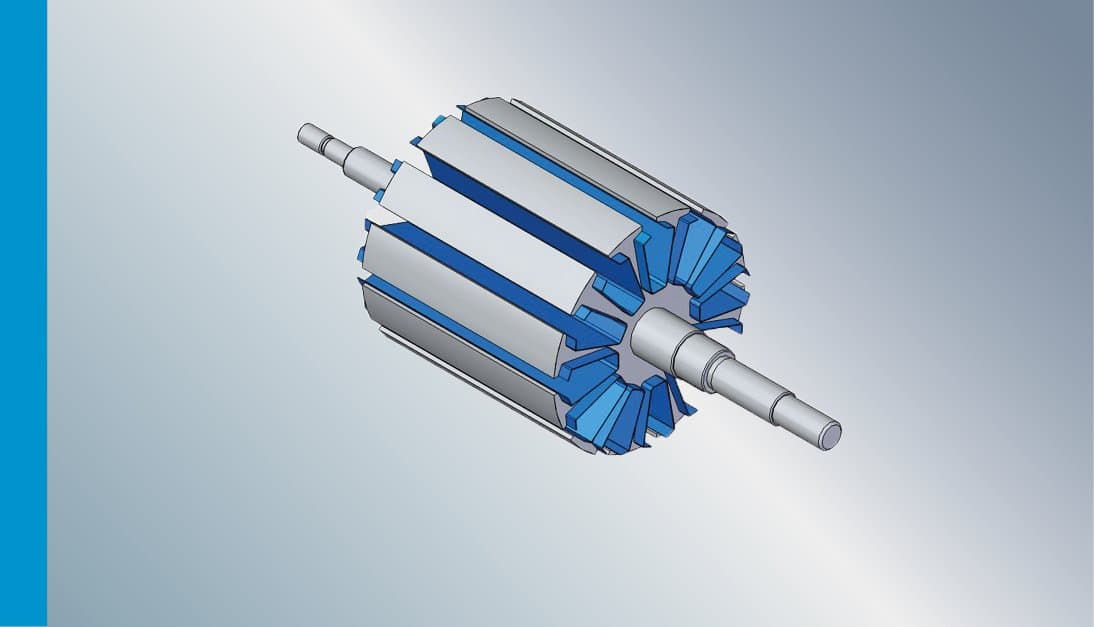
Armature Insulation for an Exact Fit
Armature insulation typically features four embossed lines for an exact fit in the core.
Learn more →Matching Processes
More Application Areas
Wind Power
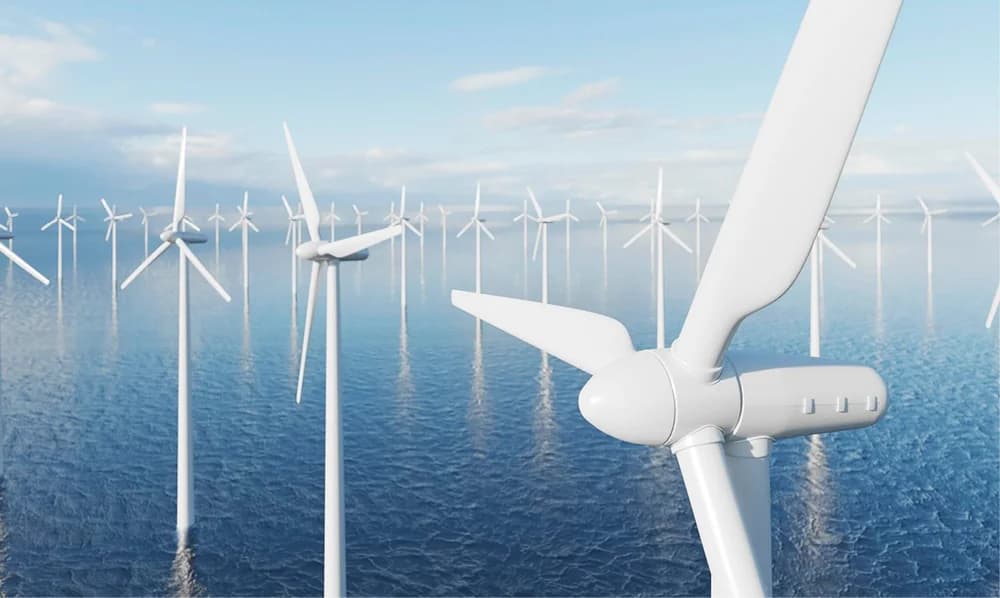
Insulation parts for onshore and offshore wind generators, process-reliable even for the largest generators on the market.
Learn more →
Electronics and Lighting
Flexible insulation with excellent electrical properties, Kapton for fuel cell stacks, batteries and chips.
Learn more →
Automotive
Competent partner for e-drives, parts magazined or on roll, from material selection through prototypes to series.
Learn more →Frequently Asked Questions About Motor Insulation
Which insulation parts does a stator need?
Usually slot liners, slot closures and phase separators. The liner separates winding and lamination stack, the closure closes the slot, the phase separator insulates the phases at the winding head. We supply the positions individually or as a matched set.
What is your minimum quantity?
Samples and prototypes from a quantity of one. For special motors in small series we are a good fit because tooling is made in house and implementation takes only a few weeks.
Which material suits my thermal class?
NPN and DMD laminate for classes B and F, Nomex 410 aramid paper for class H, NKN laminate and Kapton polyimide film for higher demands. The final choice also depends on test voltage, slot geometry and impregnation process.
Can you supply parts for automated winding lines?
Yes. We magazine insulation parts in the correct orientation or supply them on rolls so they can be picked directly by handling systems.
How long does a new tool take?
From enquiry to finished tool usually takes a few weeks, because design, tool making and production are all under one roof.