
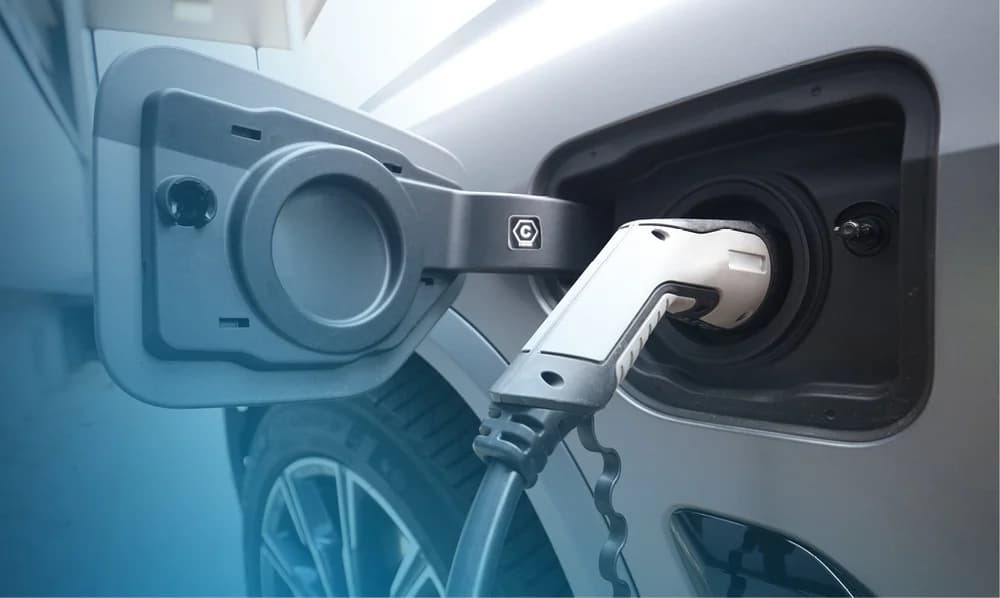
Applications
Insulation Parts and Stampings for Automotive and E-Mobility
Insulation parts for e-drives, designed for automated production lines. From material selection through prototypes to volume production.
The line speed defines the part
In e-mobility nothing is inserted by hand. An insulation part therefore has to fit electrically and be reliably picked by a gripper. We supply phase separators and slot liners magazined in the correct orientation or on rolls so they feed straight into the automated line.
This requirement belongs at the start of a project, not at the end. Whether a part can be magazined is decided by geometry, material stiffness and edge finish, all of which are fixed in the tool.
From prototype to volume production
E-drive projects start with a handful of samples and end at six-figure annual volumes. We follow that path with a tooling strategy matched to each phase: steel rule dies for samples and early build stages, solid steel tools from our own tool shop for series production at tight tolerances and high tool life.
Prototypes are available from a quantity of one. On request we 3D print your slot geometry and verify the fit on a physical model before a production tool is made, which noticeably shortens the loops between design and manufacturing.
Materials for high power density
E-drives work at high power density in a tight envelope. That calls for thin insulation that raises the fill factor while holding the required thermal class, typically NPN laminate, Nomex 410 aramid paper for class H, or Kapton polyimide film for the highest thermal demands.
For battery and power electronics we also stamp insulation parts from polyester and polyimide film, self-adhesive on request.
Documentation for the supply chain
Your contact provides supplier declarations, REACH and RoHS confirmations, UL listings, data sheets, IMDS entries and mill certificates. Production is certified to DIN EN ISO 9001 and DIN EN ISO 14001, and we are a certified UL repackager with seamless traceability of the materials used.
Do you have an application in mind?
Describe your installation situation and we will check feasibility.
Matching Products
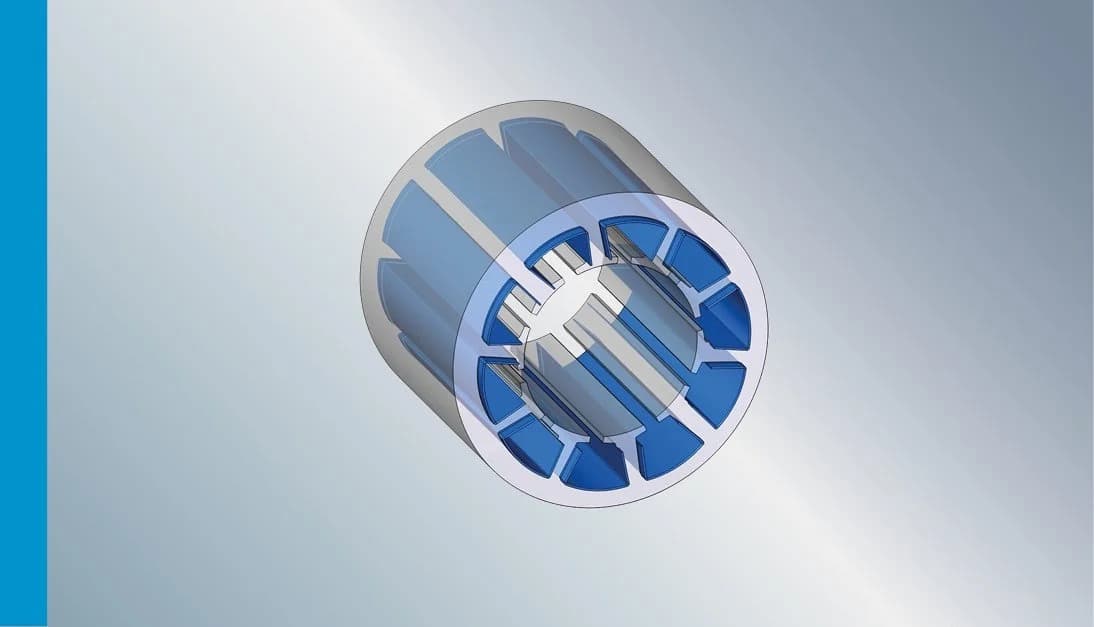
Slot Liners for Electric Motor Stators
Slot liners separate the winding from the core and prevent flashovers in the stator slot.
Learn more →
Phase Separators
Phase separators are stamped from flexible insulation and usually have rounded outer geometries.
Learn more →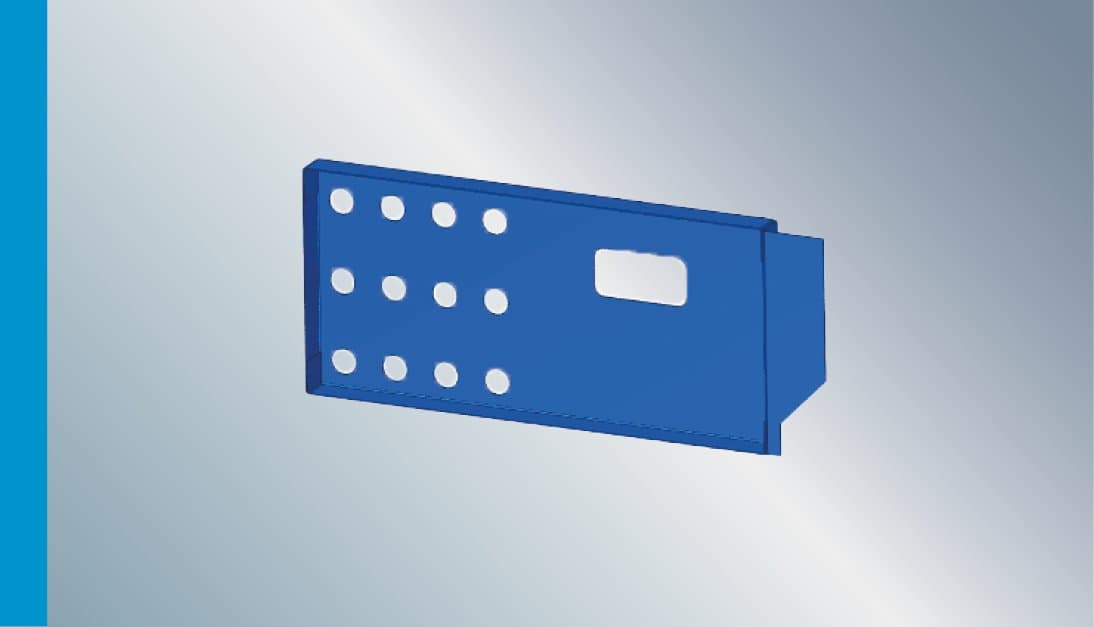
Stamped and Bent Insulation Parts
On efficient eccentric presses we stamp and bend insulation parts to size.
Learn more →
Cut Parts and Cover Strips
Cut parts, often used as cover strips in the slot, are among our standard tasks.
Learn more →Matching Processes

More Application Areas
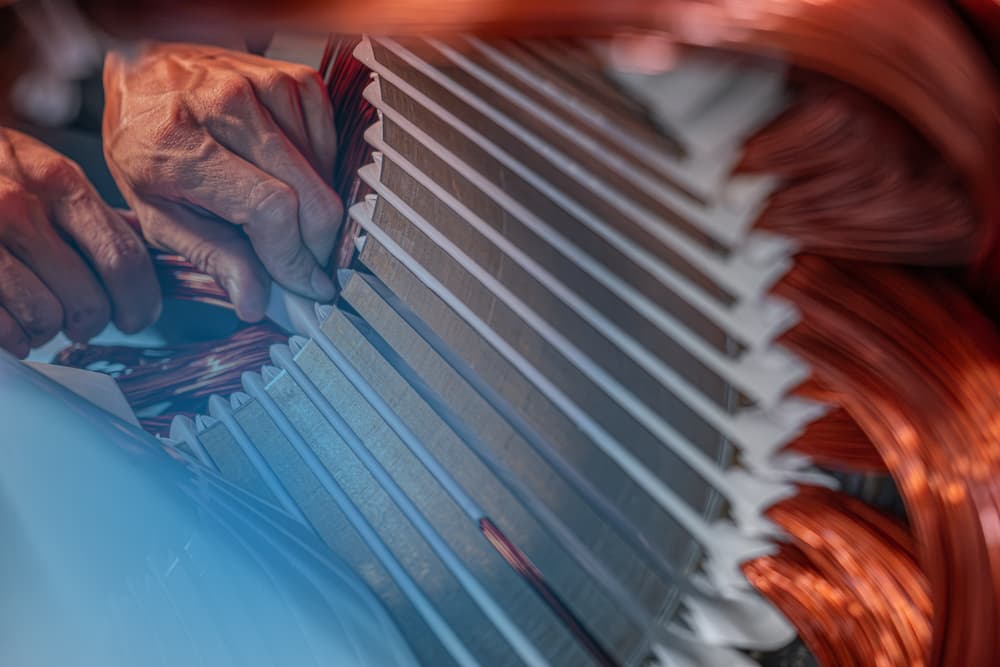
Motor Construction
Custom insulation parts for over 60 years in special machinery, power tools, ventilation, conveyor, rail, aircraft and marine technology.
Learn more →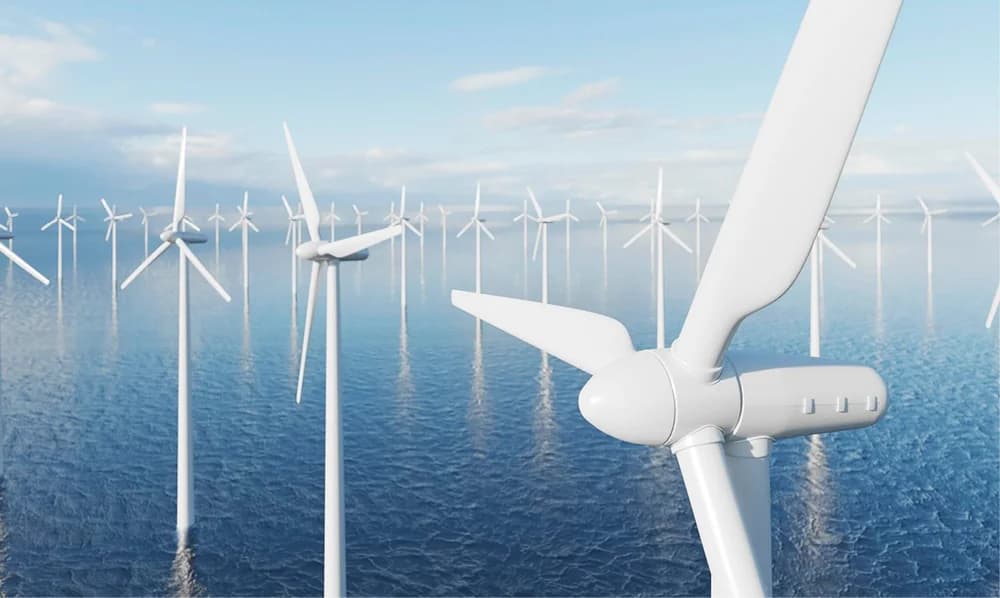
Wind Power
Insulation parts for onshore and offshore wind generators, process-reliable even for the largest generators on the market.
Learn more →
Electronics and Lighting
Flexible insulation with excellent electrical properties, Kapton for fuel cell stacks, batteries and chips.
Learn more →Frequently Asked Questions About Insulation for E-Drives
Do you supply insulation parts for automated e-motor lines?
Yes. We magazine parts in the correct orientation or supply them on rolls for direct pick-up by handling systems. Magazine capability is defined in the tool from the start.
Do you provide IMDS entries?
Yes. Our contacts provide IMDS entries, supplier declarations, REACH and RoHS confirmations, UL listings and mill certificates.
Do you support the path from sample to volume production?
Yes. Samples from a quantity of one using steel rule dies, then solid steel tools made in our own tool shop for series production. New tools are implemented within a few weeks.
Which materials do you use for e-drives?
Mainly NPN laminate, Nomex 410 aramid paper for class H and Kapton polyimide film for the highest thermal demands. The goal is always the thinnest version that reliably holds test voltage and thermal class.