Hauler & Hermann
Back to news
Application

What Grid Expansion Demands from Generator Insulation

September 29, 2026

What Grid Expansion Demands from Generator Insulation

The expansion of renewable energy, rising electricity demand and the need to stabilise the grids make turbogenerators indispensable. They are at the heart of modern power plants and industrial energy systems.

Alongside new units, the overhaul of existing generators is growing strongly and today accounts for the larger share of our orders. A rewound rotor is more economical than a new build and keeps valuable resources in circulation. For both cases, single parts and series, we supply high-precision turn insulation for air-cooled rotors.
Why cooling depends on the insulation

In the rotor of an air-cooled turbogenerator the copper conductors of a coil are stacked in the slot. Between each turn sits a turn insulation strip that prevents electrical contact between the conductors.

Cooling air flows through openings in the copper conductors. To allow this, the turn insulation carries elongated slots positioned exactly over those openings. If a slot is misaligned, the air flow is throttled and the rotor runs locally hotter. Slot position is therefore not a cosmetic detail, it co-determines power density and reliability of the generator.

Flexible geometry, exactly to requirement

We manufacture to customer drawing. Straight slots, staggered arrangements, varying pitches and customer-specific edge distances are implemented precisely, including several geometries on one strip. The tools are made in our own tool shop and can usually be realised at low cost, even for the small quantities of an overhaul.

Typical strip widths are 30 to 60 mm, material thickness 0.1 to 0.3 mm and length 2 to 5 metres. Across that whole length the slot position stays accurate. Long formats have been part of our core business for decades, we produce profiles and strips up to 20 metres.

Materials to electrical and thermal requirements

We select the insulation material together with you according to voltage stress, operating temperature and mechanical load. Impregnated glass fabrics, so-called prepregs, are used frequently because they bond firmly with the conductor when the coil is cured. Alternatively we process Kapton polyimide film, Nomex aramid paper or Nomex composites such as NKN laminate.

From a single set to series production

Whether spare parts for the overhaul of a single generator or large quantities for a manufacturer's series production: capacity and experience are in place, and production is certified to DIN EN ISO 9001 and DIN EN ISO 14001. To match the turn insulation we supply further insulation parts for generator construction from a single source.

For a quotation the drawing with strip width, length, slot geometry and pitch is enough. For overhauls a sample part from the dismantled rotor is often sufficient, we then take the geometry ourselves. Lead time for a spare part set is about four weeks, depending on material procurement.

All details on geometry, materials and manufacturing are on the product page turn insulation for air-cooled generator rotors. Send us your enquiry via the contact form.

From production

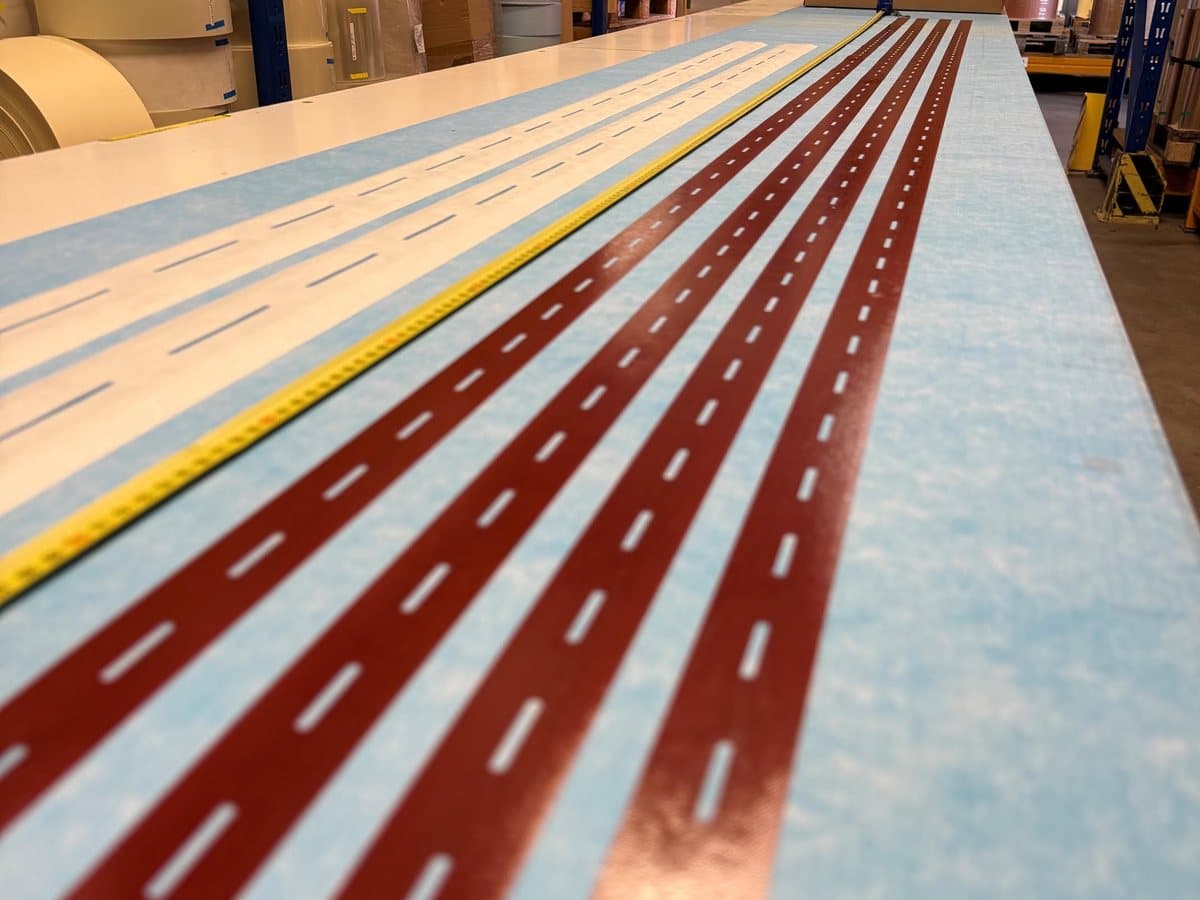
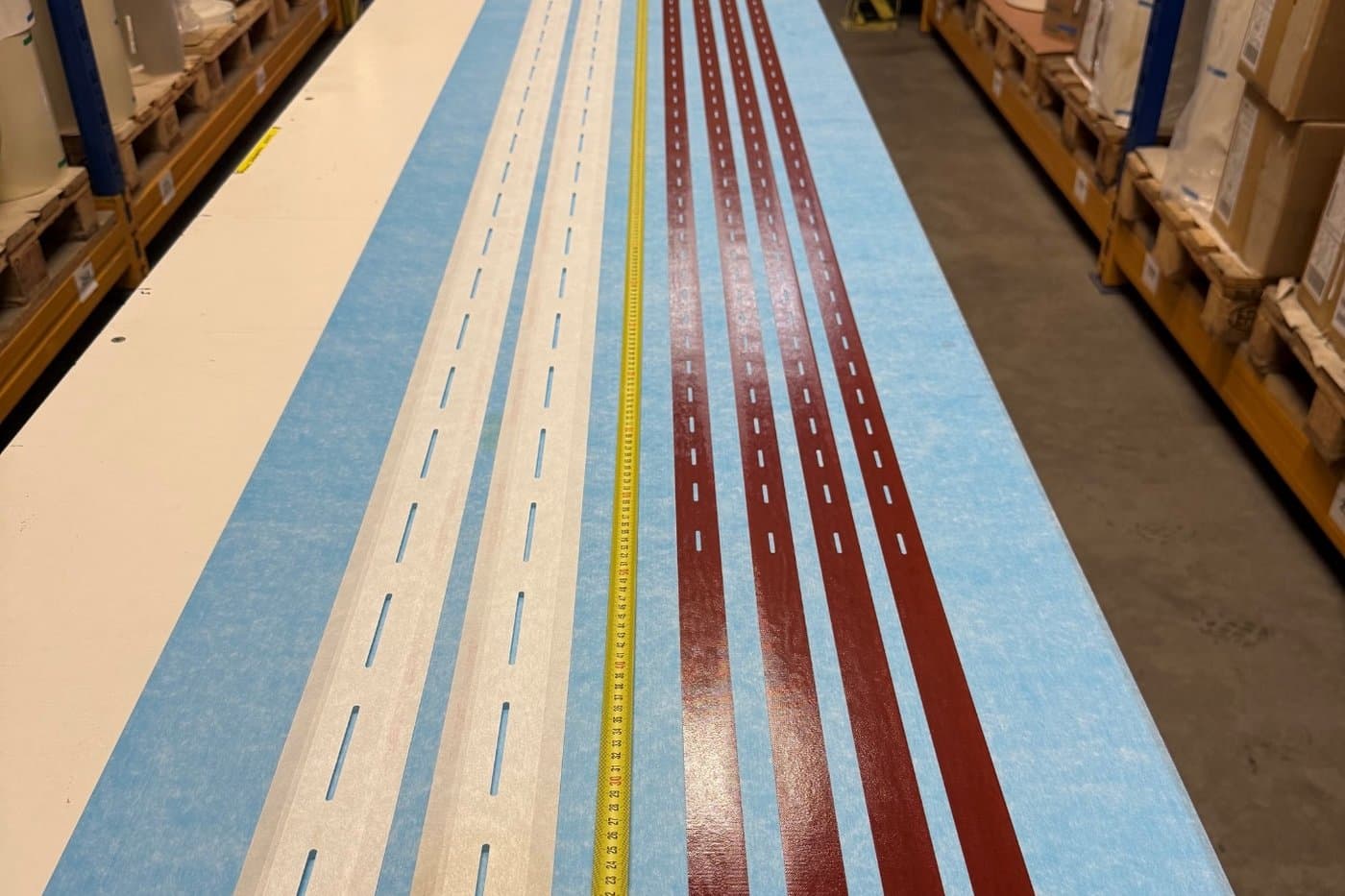
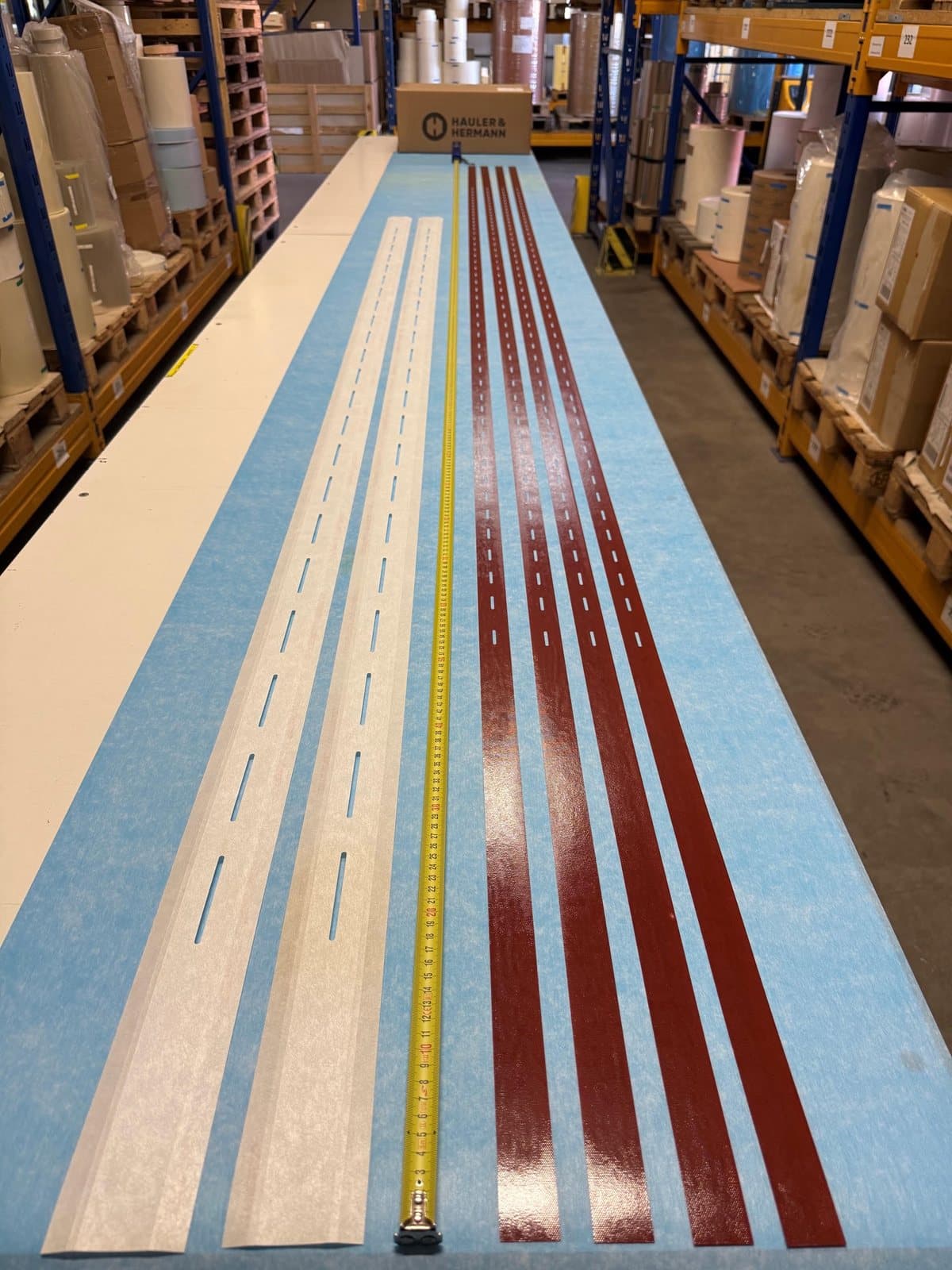
Finished strips on the inspection table, cooling slots at constant spacing over the full length
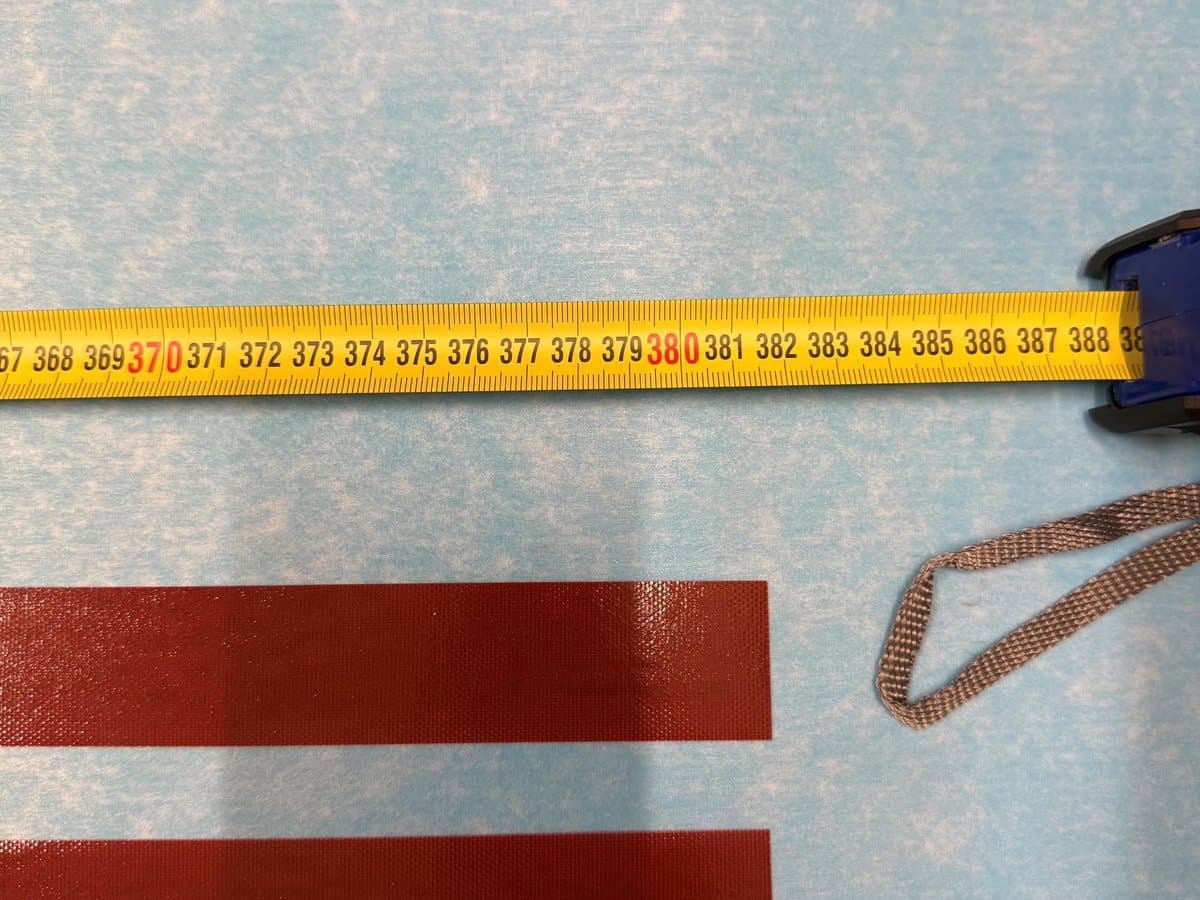
Cooling slots in detail, the folding rule reads 3.80 metres
Several strips side by side, slot pattern and edge distance to customer drawing

Frequently asked questions

What is turn insulation?

It sits in the rotor between the stacked copper turns of a coil and prevents electrical contact between the conductors. In air-cooled rotors it carries elongated slots for the cooling air. Details on the part are on the product page turn insulation.

Which dimensions are typical?

Strip widths of 30 to 60 mm, material thickness of 0.1 to 0.3 mm and lengths of 2 to 5 metres. Other dimensions are produced to drawing, long formats up to 20 metres.

What is the lead time for a spare part set?

About four weeks, depending on procurement of the required insulation material. If the material is in stock, it is faster.

Why is demand for turbogenerators rising?

Rising electricity demand, the expansion of renewable energy and the need to stabilise the grids make turbogenerators indispensable. At the same time the overhaul of existing units is increasing because it is more economical than a new build.

Which materials are used?

Frequently impregnated glass fabrics (prepreg). Alternatively Kapton, Nomex or Nomex composites such as NKN, depending on voltage, temperature and mechanical load.

Does Hauler & Hermann supply single sets for overhauls?

Yes. We produce spare part sets for individual generators as well as series for manufacturers. Tooling costs remain moderate even for small quantities.

Let us talk

Have a question or a request? Write to us and we will get back to you shortly.

Email
info@hauler-hermann.de
Phone
+49 7158 9090-30